From sourcing to delivery: how integrated grain trading works
When product, transport and payment terms sit with one partner, buyers get fewer links in the chain and clear accountability.
In grain and agricultural commodity trading, the price per tonne is only part of the story. For a buyer — a feed mill, a meat processor or an industrial processor — it matters just as much that the goods arrive in the agreed quality, on the agreed date and on terms that fit their cash flow.
That is why OKTUM is organised around three connected divisions: agribusiness, logistics and finance.
1. Sourcing
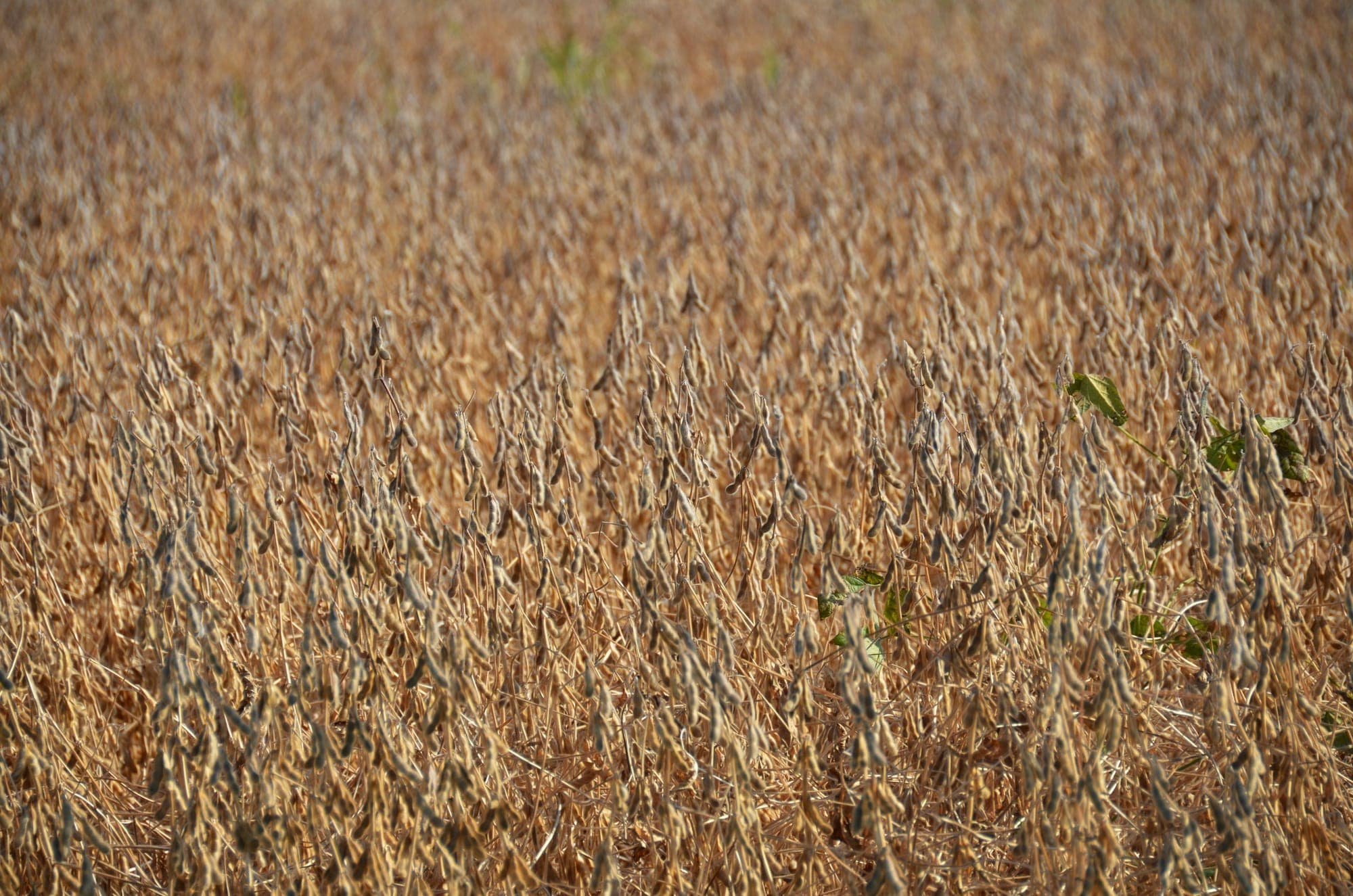
Sourcing starts in the field. OKTUM works with farmers and grain collectors in Bosnia and Herzegovina and the wider region on a long-term basis, and sources soybeans and soybean products from trusted suppliers in the region and in South America.
2. Trading
Product, specification, volume, delivery window and payment terms are agreed with the buyer. Goods must meet OKTUM's standards as well as the buyer's own specifications — which is why testing and inspection take place before delivery.
3. Transport
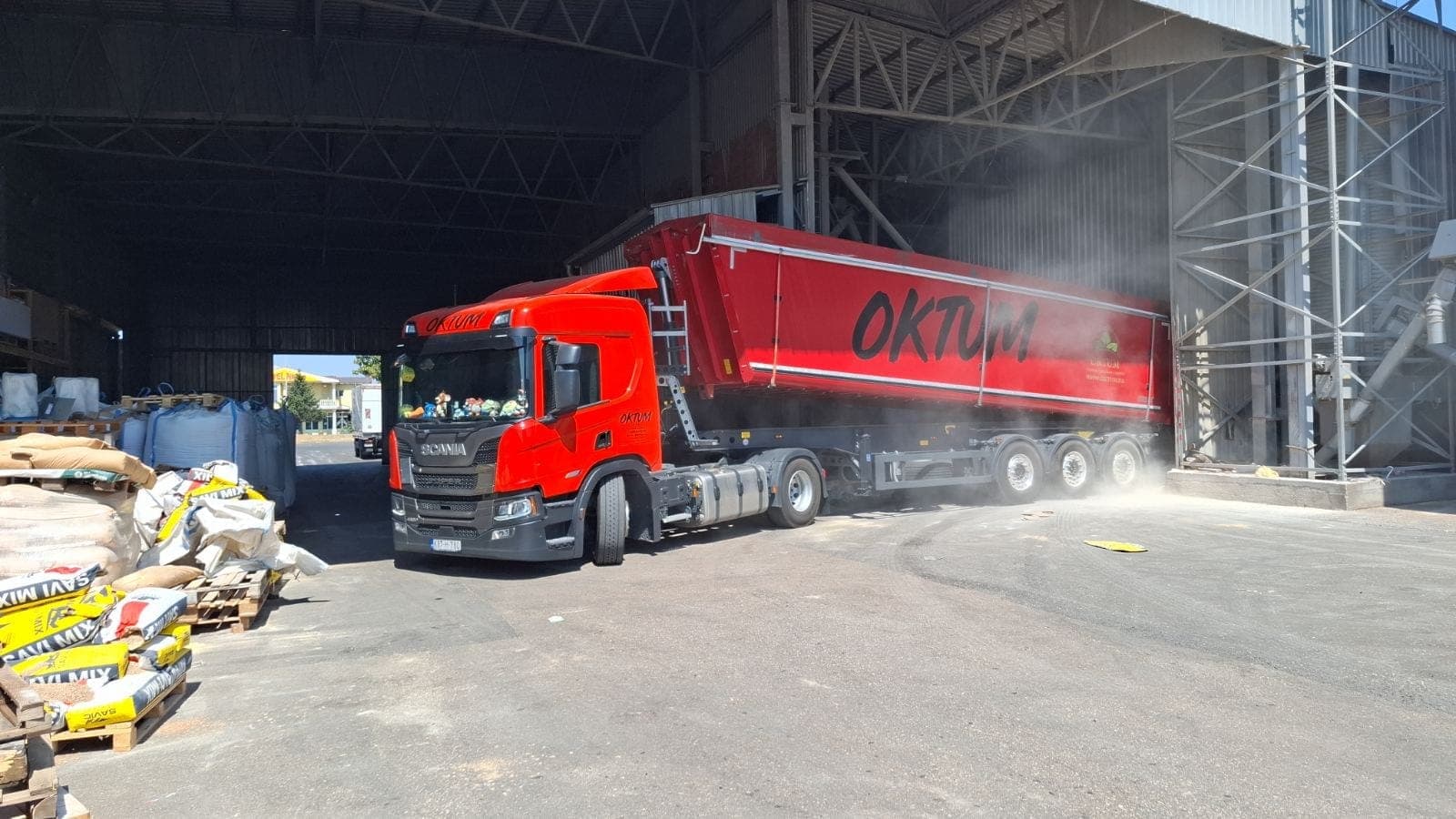
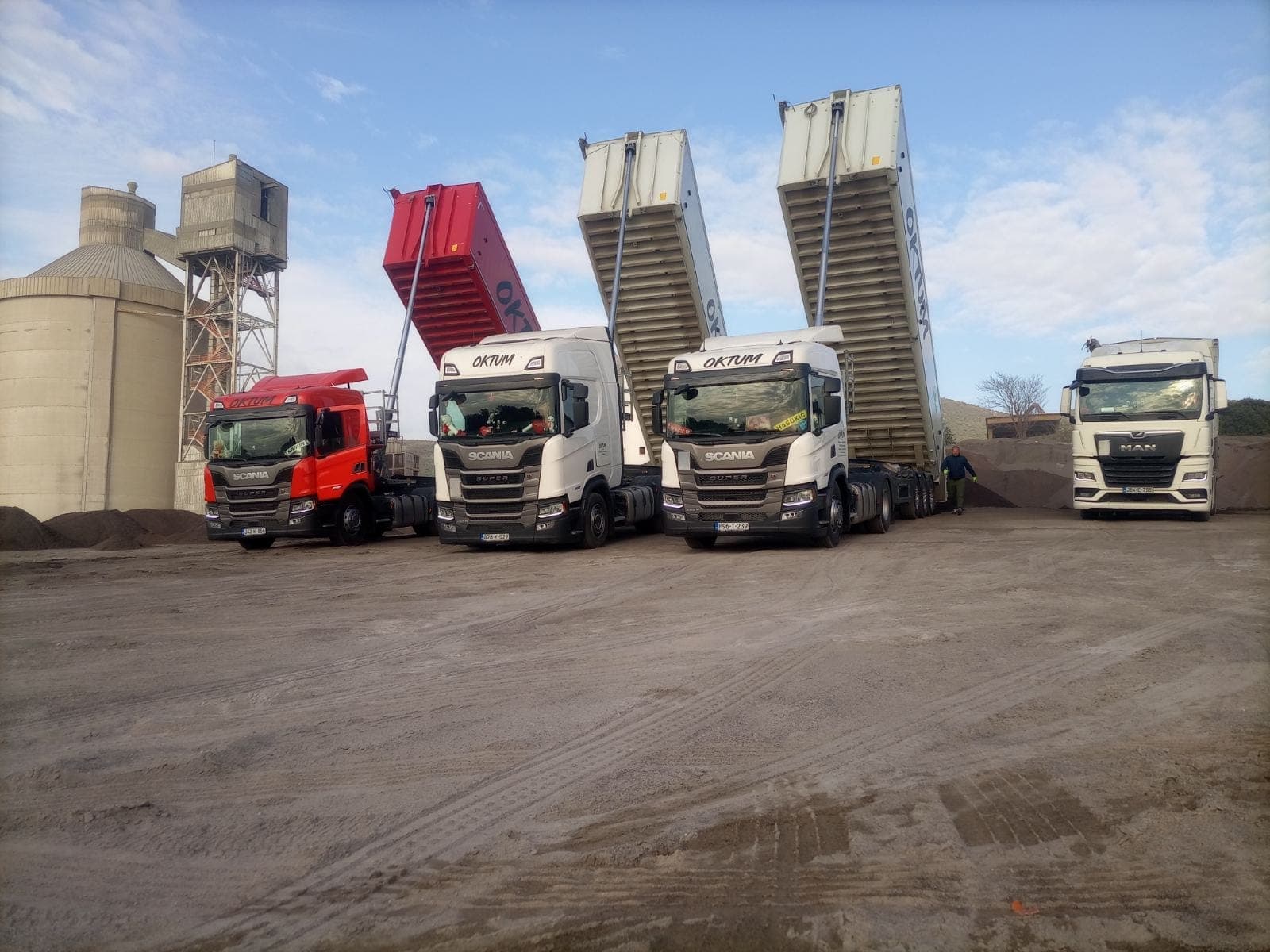
An in-house fleet of around 80 vehicles, including grain tipper trucks and refrigerated trailers, means transport is planned together with the trade rather than as an afterthought. In the first eight months of 2024, OKTUM vehicles moved more than 700,000 tonnes of cargo.
4. Delivery and payment
Goods are delivered to the agreed location and followed through to unloading. Through the finance division, buyers can arrange trade finance or other models that make purchase planning easier.
What buyers gain
- One point of contact for product, transport and payment terms
- Fewer links in the chain and clear accountability
- Transport planned around contracted delivery windows
- Flexible payment terms through the finance division
Explore our products, learn more about our logistics or send us an inquiry.
Want to discuss this topic?
Our team replies on business days, usually within 24 hours.